Peptic Ulcer Diet: What to Eat and What to Avoid
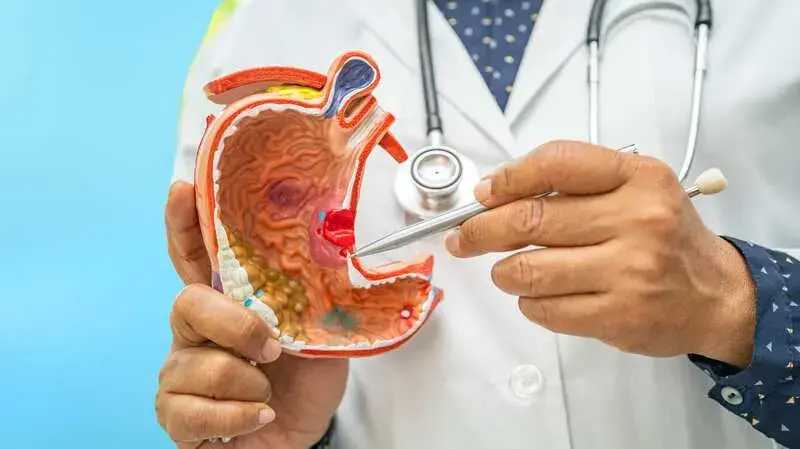
A peptic ulcer is a sore or lesion that forms in the lining of the stomach, the lower part of the oesophagus, or the upper part of the small intestine (duodenum). Peptic ulcers can be painful and often associated with abdominal pain, burning sensations, and discomfort.
This common digestive disorder can cause discomfort and disturb normal daily life. These sores occur in the lining of the digestive tract. In this comprehensive guide, we will explore the causes, symptoms, and risk factors of peptic ulcers, discuss the role of diet in managing the condition, and provide valuable insights into designing a healthy peptic ulcer diet.
Table of Contents
- Causes of Peptic Ulcers
- Types of Peptic Ulcers
- Symptoms of Peptic Ulcer:
- Peptic Ulcer Disease Diet - Foods to Eat & Avoid
- Lifestyle Modifications for Peptic Ulcer Management
- Myths and Facts
- When to Consult a Doctor
- Frequently Asked Questions
Causes of Peptic Ulcers
Peptic ulcers are painful sores that develop in the stomach lining or the small intestine's upper part.
- An infection with the bacterium Helicobacter pylori primarily causes them.
- The prolonged use of painkillers or nonsteroidal anti-inflammatory drugs (NSAIDs).
- Other factors include Zollinger-Ellison syndrome, which secretes excess acids in the stomach.
Types of Peptic Ulcers
- Gastric Ulcers: These are open sores that develop on the inner lining of the stomach, often caused by the erosion from stomach acid. They can lead to symptoms like pain, bloating, and indigestion, and may result from an infection with Helicobacter pylori or the long-term use of nonsteroidal anti-inflammatory drugs (NSAIDs).
- Duodenal Ulcers: This forms in the first part of the small intestine, known as the duodenum. They are primarily caused by an imbalance between digestive acids and the protective lining of the duodenum, often linked to H. pylori infections or excessive use of NSAIDs, and can cause burning stomach pain that improves after eating.
- Oesophagal Ulcers: These are sores that develop in the lining of the esophagus, often as a result of acid reflux or gastroesophageal reflux disease (GERD). These ulcers can cause difficulty swallowing, heartburn, and chest pain, and they can worsen if untreated, potentially leading to scarring or narrowing of the oesophagus.
Symptoms of Peptic Ulcer:
Common symptoms include:
- Abdominal pain
- Bloating
- Heartburn
- Indigestion
- Nausea
In some cases, individuals may experience vomiting or notice blood in their stools. It's important to seek medical attention if these symptoms persist or worsen.
Peptic Ulcer Disease Diet - Foods to Eat & Avoid
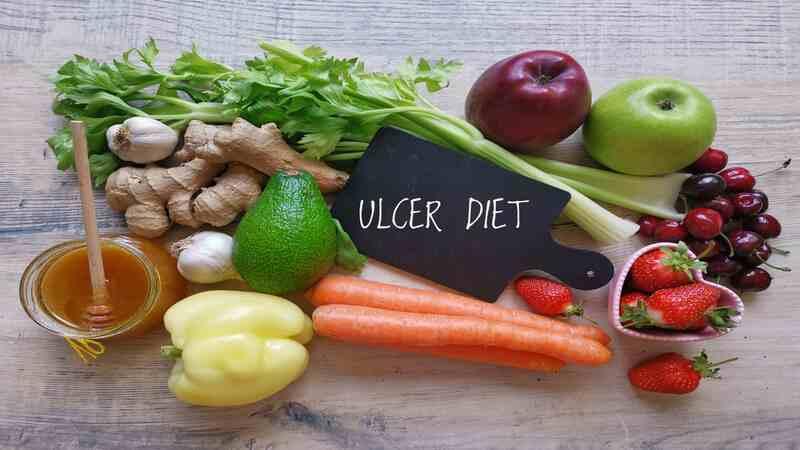
A peptic ulcer diet can help manage symptoms and promote healing. The key goals of the diet are to reduce stomach acid, avoid irritating foods, and support the healing process of the ulcer. Here's a guide to the peptic ulcer diet, including foods to eat and foods to avoid:
Foods to Eat in Peptic Ulcer Disease:
- High-Fibre Foods: Include plenty of high-fibre foods in your diet, such as whole grains, oats, brown rice, and whole wheat bread. Fibre helps protect the stomach lining and aids in digestion.
- Lean Proteins: Opt for lean protein sources such as skinless poultry, fish, tofu, and legumes (beans, lentils, chickpeas). Protein is important for tissue repair.
- Fruits: Choose non-acidic fruits such as apples, pears, bananas, and melons. These are generally gentle on the stomach.
- Vegetables: Opt for non-acidic vegetables such as spinach, sweet potatoes, carrots, and broccoli. Avoid spicy or acidic vegetables such as tomatoes and peppers.
- Dairy: Select low-fat or fat-free dairy products, such as milk, yoghurt, and cheese. These can help neutralise stomach acid.
- Herbal Teas: Non-caffeinated herbal teas such as chamomile, ginger, and liquorice root can have soothing effects on the stomach.
- Lean Meats: If you consume red meat, choose lean cuts and trim excess fat.
- Healthy Fats: Incorporate moderate amounts of healthy fats from sources such as avocados, nuts, seeds, and olive oil.
Foods to Avoid in Peptic Ulcer Disease:
- Spicy Foods: Avoid spicy dishes, hot peppers, and spicy sauces, as they irritate the stomach lining.
- Citrus Fruits: Citrus fruits such as oranges, lemons, and grapefruits are acidic and can exacerbate ulcer symptoms.
- Tomatoes: Tomatoes and tomato products (e.g., tomato sauce, ketchup) are highly acidic and should be avoided.
- Caffeine: Limit or avoid caffeinated beverages such as coffee, tea, and soda, as caffeine can increase stomach acid production.
- Alcohol: Alcohol can irritate the stomach lining and should be avoided.
- Carbonated Beverages: Carbonated drinks can promote gas and bloating and may worsen ulcer symptoms.
- Spicy Condiments: Steer clear of hot sauces, mustard, and vinegar-based dressings and condiments.
- Fried and Fatty Foods: High-fat and fried foods can slow digestion and may aggravate symptoms.
- Mint and Peppermint: While mint can have a soothing effect, it can also relax the lower esophageal sphincter, potentially leading to acid reflux.
Nutritional Requirements for Peptic Ulcer Patients:
- Peptic ulcer patients may require increased protein intake to promote tissue repair and healing.
- Consuming various fruits, vegetables, and whole grains ensures an adequate intake of vital vitamins, minerals, and fibre.
- Vitamins A, C, and E, as well as zinc and selenium, have been found to aid in the healing process of peptic ulcers. Incorporate these nutrients into your diet through fruits, vegetables, nuts, and seeds.
- Fibre-rich foods such as legumes, whole grains, and fruits can help regulate digestion and reduce symptoms such as bloating and constipation.
Healthy Eating Habits
- Choose cooking methods such as steaming, baking, and grilling that reduce the use of oil and minimise irritation to the gastric lining.
- It's important to consume meals in appropriate portion sizes to avoid overeating and to prevent unnecessary strain on the digestive system.
- Maintain regular meal times to regulate digestion and support stable blood sugar levels, which can contribute to overall gut health.
Lifestyle Modifications for Peptic Ulcer Management
- Stress Management: Incorporate stress-reducing techniques such as meditation, yoga, or engaging in hobbies.
- Regular Exercise: Engaging in regular exercises, such as brisk walking, cycling, or swimming, for overall gut health.
- Quitting Smoking: Smoking is crucial in promoting healing and preventing further damage to the digestive system.
Adapting a well-designed peptic ulcer diet can be vital in managing symptoms, promoting healing, and preventing recurrence. Individuals with peptic ulcers can take control of their digestive health by avoiding trigger foods, incorporating recommended nutrients, and making necessary lifestyle modifications.
Myths and Facts
Myth 1: You Can’t Eat Spicy Food with Peptic Ulcers
Fact: While spicy foods may irritate some people’s stomachs, they don’t
directly cause ulcers. A balanced diet without excessive irritants can
help manage ulcer symptoms, but each person’s tolerance may vary.
Myth 2: Peptic Ulcers Always Lead to Cancer
Fact: Though
chronic ulcers that are untreated may increase the risk of certain
complications, such as bleeding, the likelihood of developing
cancer from a peptic ulcer is very low if the ulcer is properly treated and managed.
Myth 3: Only older adults develop Peptic Ulcers.
Fact: Peptic
ulcers can develop at any age, including in children and young adults.
In fact, younger people with chronic stress or poor dietary habits can
be at risk, especially if they have an H. pylori infection.


Comments
Post a Comment